Ledger Login: A Complete Guide to Accessing and Securing Your Crypto Wallet
Cryptocurrencies have become a major part of the modern digital economy, offering people the ability to store, trade, and manage their own financial assets without depending on a traditional bank. But this new level of financial freedom comes with a huge responsibility. Protecting your crypto assets from hackers, scams, and digital threats is crucial. This is where Ledger plays an important role. Ledger offers hardware wallets and software solutions that ensure secure access and management of crypto holdings.
Understanding how to navigate Ledger login properly not only keeps your funds safe but also ensures smooth everyday access. This detailed guide covers every aspect of Ledger login, from setup to troubleshooting, security best practices, and safety features so that users can operate with confidence.
1. Introduction to Ledger Login
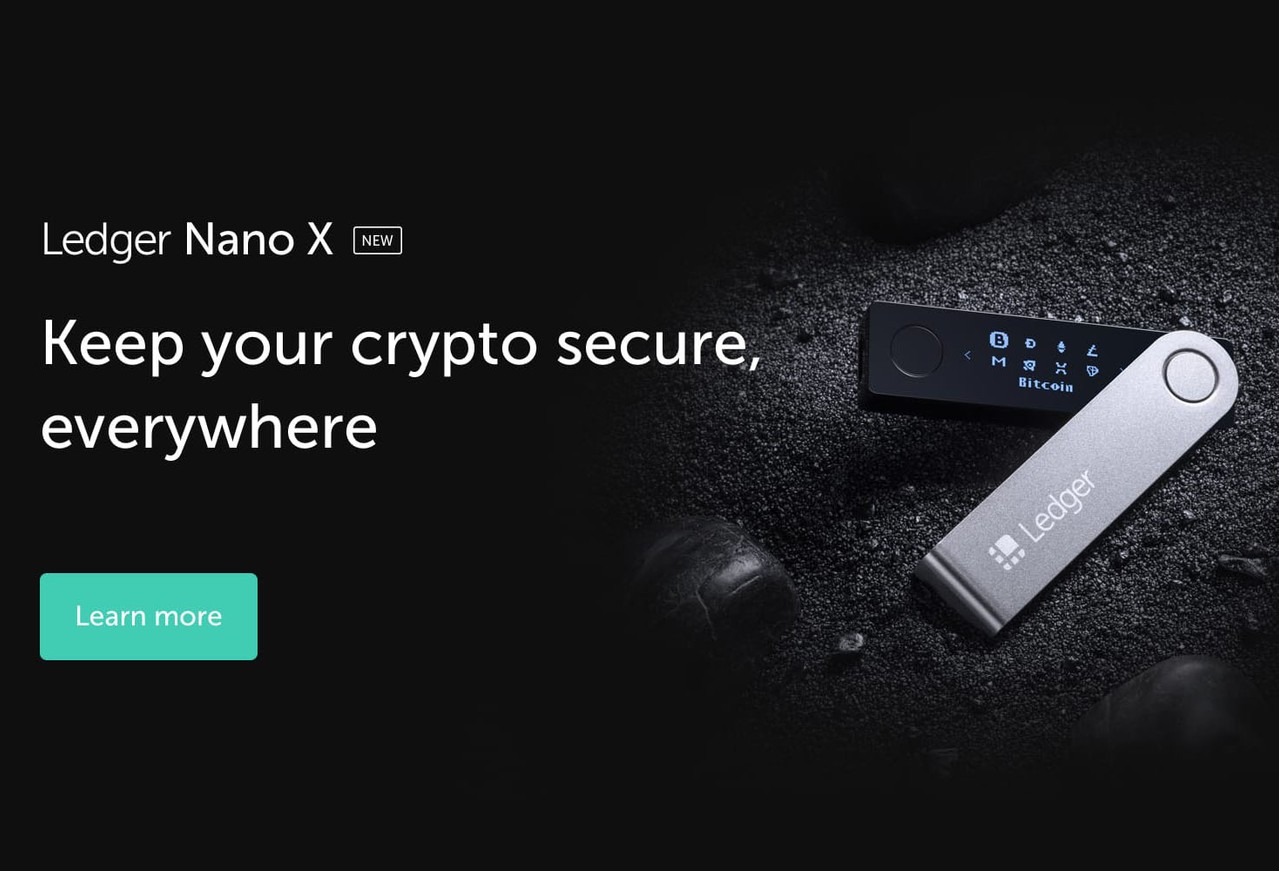
Ledger login refers to the process of securely accessing your crypto wallet using Ledger hardware devices and Ledger Live app. Ledger hardware wallets such as Ledger Nano S Plus and Ledger Nano X store private keys offline. Instead of web-based logins, Ledger uses a secure PIN, recovery phrase, and firmware authentication to prevent unauthorized access.
The login system ensures that users are the only ones who can access their crypto assets. Every transaction must be verified on the physical device, providing maximum security.
2. What is Ledger Live?
Ledger Live is the official application used to manage your Ledger hardware wallet. It is available on both desktop and mobile. With Ledger Live, users can:
View balances of all supported crypto assets
Send and receive cryptocurrency
Swap, buy, or sell supported assets
Install apps based on different blockchains
Track portfolio growth and history
Manage staking and earnings features
Instead of a typical login system that uses email and password, Ledger Live uses the physical Ledger device combined with a PIN and a recovery seed. This prevents cybercriminals from breaking into accounts remotely.
3. Importance of Secure Ledger Login
Security is one of the biggest concerns in the crypto world. Ledger login follows high-security standards to prevent unauthorized access. Here’s why secure login matters:
Crypto assets are vulnerable if stored on centralized platforms
Hackers target software wallets and exchanges
Loss of private keys means permanent loss of funds
Ledger protects private keys with hardware isolation
When users log in properly, their data and crypto assets remain safe from phishing attempts, malware, and remote theft.
4. Setting Up Your Ledger Device for the First Time
Before logging into Ledger Live, the hardware wallet must be set up. The setup involves several steps:
Unbox and connect Ledger Nano device using USB cable
Power on the device and follow on-screen instructions
Choose a secure PIN code (preferably 6-8 digits)
The device will generate a 24-word recovery phrase
Write down the recovery phrase and keep it offline
Confirm the recovery words during setup
The recovery phrase is the master key to the wallet. Anyone who gains access to it can steal the whole wallet, so it must not be stored digitally or shared online.
5. Ledger Login on Desktop Using Ledger Live
Once your device is set up, you can log into Ledger Live on Windows, macOS, or Linux.
Steps to log in:
Launch Ledger Live application on your desktop
Connect the Ledger Nano with a USB cable
Enter the PIN on your hardware wallet
Unlock the device by confirming input
Ledger Live will detect the device and allow access to the dashboard
The login is secured through the device, not through account credentials stored in the app.
6. Ledger Login on Mobile
Ledger Nano X supports mobile login through Bluetooth. The Ledger Nano S Plus requires USB-OTG support.
Login steps:
Install Ledger Live on Android or iOS
Turn on your Ledger device
Enter your PIN
Connect via Bluetooth (Nano X) or cable
Wait for Ledger Live to sync
Every time you approve a transaction, the device will show a confirmation request to ensure you are in control.
7. Understanding the PIN Code Security Layer
The PIN is the first security layer during Ledger login. The device is locked if the PIN is entered incorrectly three times. This protects users from intruders attempting to guess the PIN.
Best practices for choosing a PIN:
Avoid patterns like 123456 or birth years
Use a random multi-digit combination
Do not store the PIN digitally or in visible places
If the device resets after too many failed attempts, users can restore using the recovery phrase.
8. The Role of Recovery Phrase in Ledger Login
The recovery phrase is the backbone of the Ledger login security. Ledger uses a 24-word seed phrase that acts as a restoration key. If you lose or damage your hardware wallet, the phrase can restore your wallet to another Ledger device.
Safety rules for recovery phrase:
Never share with anyone
Do not type it on a computer or take pictures
Store in a secure offline location
Use fireproof and waterproof storage if possible
Ledger will never ask for your recovery phrase during login. If any website or message asks for it, it is a scam.
9. Common Ledger Login Errors and Fixes
Sometimes users may face login errors. Here are common issues and solutions:
Device not detected
Try another USB cable or port
Ensure Ledger Live is updated
Unlock the device with PIN before connecting
Firmware not supported
Update the firmware through Ledger Live
Bluetooth not connecting
Restart Bluetooth
Keep the device near the phone
Remove other paired devices
PIN forgotten
Reset the device and restore wallet with recovery phrase
These steps help solve most login access problems.
10. Ledger Login Security Features
Ledger provides multiple layers of protection during login:
Hardware-based isolation of private keys
Secure Element chip with advanced encryption
On-device transaction confirmation
Anti-tampering technology
Offline storage feature
This security model ensures maximum defense against cyberattacks and unauthorized access.
11. When to Use Ledger Login
Ledger login is required every time users want to:
Open Ledger Live account on a device
Send or receive crypto funds
Install new blockchain apps
Manage staking or DeFi operations
Update software or firmware
Without the hardware wallet, Ledger Live cannot complete these tasks. This ensures no remote action can take place without physical approval.
12. Protecting Your Ledger Login from Scams
As Ledger hardware wallets are widely used, scammers often attempt to steal login credentials or recovery phrases. Protect yourself with these precautions:
Only download Ledger Live from trusted official sources
Do not search or click random links for Ledger assistance
Avoid connecting your wallet to untrusted computers
Do not input your recovery phrase into websites or software
Verify URLs and transactions on the device screen
Being alert is necessary because scammers constantly evolve their techniques.
13. Why Ledger Login Is Better Than Exchange-Based Login
Unlike exchange wallets that use a login ID and password stored on centralized servers, Ledger login keeps credentials offline.
Here’s the difference:
FeatureExchange LoginLedger LoginAsset controlCentralized platform controls your keysUser controls private keysHacking risksHigh due to server breachesExtremely low due to offline storageRemote login accessYesNo, hardware requiredRisk of freeze or lossPlatform failure can cause lockoutUser always retains control
Ledger follows the principle: not your keys, not your coins. Ledger ensures you are the sole controller of your private keys.
14. Troubleshooting Ledger Login After Updates
Sometimes users experience issues after app or firmware updates. You can fix this by:
Updating Ledger Live to the latest version
Re-installing apps on the hardware wallet if missing
Connecting to a different computer or mobile
Restarting hardware wallet and software
Never uninstall the recovery phrase stored apps database without backup; however, crypto funds remain safe since private keys stay inside the hardware wallet.
15. Best Practices for Reliable Ledger Login
To maintain smooth access and protect assets, follow these practices:
Keep Ledger Live updated
Use only authorized USB cables
Store recovery phrase securely offline
Avoid Bluetooth use in public places if security risks concern you
Double-check transaction details on the device
Maintain regular device updates
These habits reduce login issues and strengthen wallet security.
16. Can You Log in to Ledger Without a Hardware Wallet?
No. A Ledger wallet is mandatory for login. Without the physical device, Ledger Live cannot decrypt wallet information. This adds a solid layer of physical security.
The only exception is recovery using a new Ledger device if the original is lost or damaged.
17. Ledger Login for Institutional Investors
Institutional users who manage large crypto holdings also trust Ledger for secure storage. Ledger Enterprise solutions provide:
Multisignature approvals
Advanced governance tools
Secure authentication and audit trails
The security foundation remains similar to individual users, with enhanced features for organizations managing large assets.
18. Enhancing Ledger Login with Extra Security Tools
While Ledger is highly secure, users can apply additional safety measures:
Set a strong device PIN
Enable password lock in Ledger Live
Use a secure and malware-free environment
Store recovery seed in premium security storage such as metal backup plates
Adding multiple security layers enhances protection against physical and digital threats.
19. The Future of Ledger Login Security
Blockchain and crypto technologies are evolving rapidly. Ledger continues to improve the security and convenience of its login methods. Possible advancements in the future might include:
Biometrics for device unlocking
More advanced secure chips
Enhanced mobile login features
Stronger phishing and scam detection alerts
Ledger focuses on maintaining user sovereignty while improving usability.
20. Conclusion
Ledger login is one of the most secure ways to manage cryptocurrency wallets. It gives users full control of their digital assets while protecting them from online threats. The combination of hardware protection, offline key storage, PIN authentication, and recovery phrase security creates a reliable structure for safe crypto management.
By following best practices and understanding the login process, users can ensure maximum safety while performing everyday crypto activities like sending funds, checking balances, and staking tokens. Ledger makes owning crypto secure, user-friendly, and truly decentralized.
Take control of your investments with proper Ledger login usage. When you secure your access properly, you secure your financial future.